Mental health is a right for everyone and an integral part of our overall health
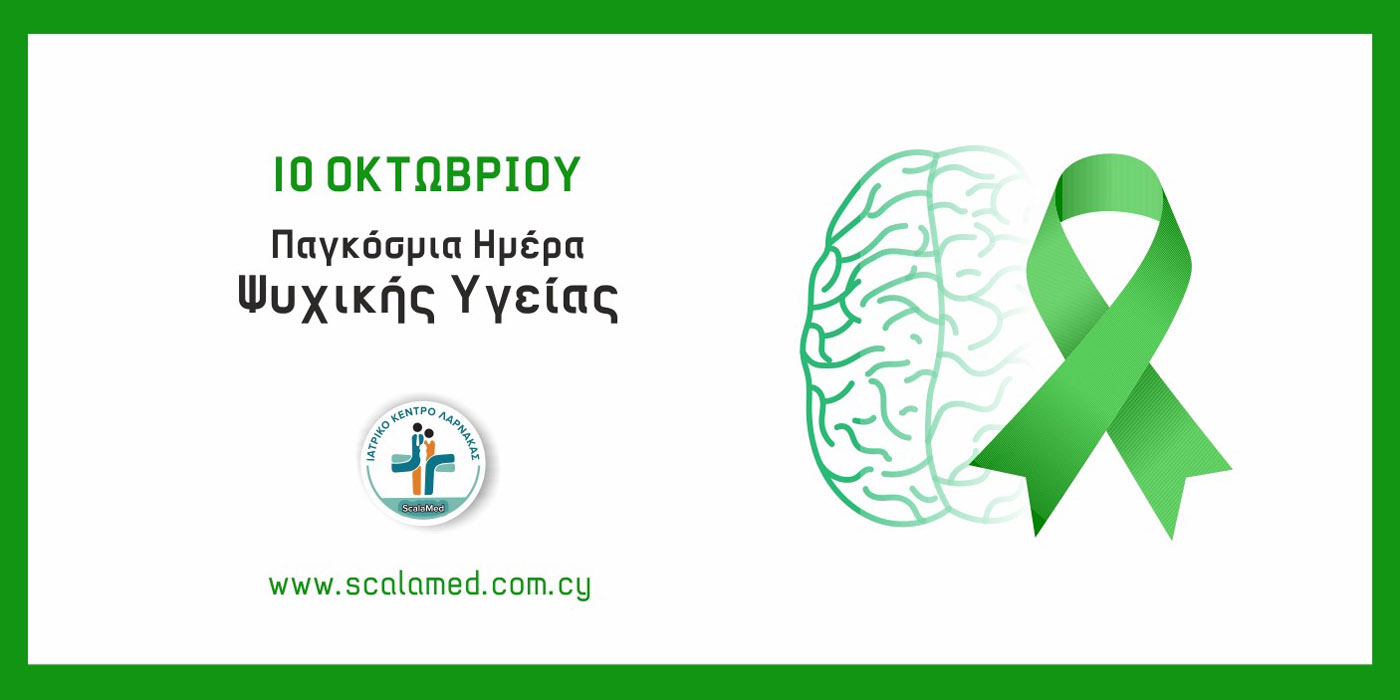
10 October has been established as World Mental Health Day, with the aim of raising public awareness, combating social stigma and highlighting the importance of mental well-being for every person.
Mental health is an integral part of overall health and affects the way we think, feel, build relationships and deal with everyday challenges. It is not only about the absence of mental disorders, but also about our ability to manage stress, adapt to change and maintain meaningful relationships with the people around us.
Why is mental health important?
The fast pace of modern life, professional and financial pressures, family obligations, social isolation and major life changes can all affect our mental balance.
Anxiety, prolonged sadness, emotional exhaustion and sleep difficulties are some of the signs worth paying attention to, especially when they persist and affect our daily lives.
Recognising our emotions and seeking support early can contribute significantly to protecting our mental health.
When should we ask for help?
We do not need to wait until we reach our limits to seek support.
Talking to a mental health professional can be helpful when:
- Stress or worry consistently affects our daily life.
- Sadness or loss of interest persists.
- We experience difficulties with sleep, concentration or our personal relationships.
- We are under intense emotional pressure or find it hard to cope with a major change in our life.
- We feel that we cannot deal with what is troubling us on our own.
Seeking help is not a sign of weakness. It is a meaningful act of caring for ourselves.
How can we take care of our mental health every day?
Small changes in our daily routine can support our mental well-being.
- We make time for ourselves.
Rest and activities that bring us joy are important for our balance. - We take care of our sleep and diet.
Adequate sleep, a balanced diet and regular physical activity contribute to overall health. - We maintain meaningful relationships.
Communicating with people we trust can help us cope with difficulties and feel that we are not alone. - We learn to recognise our emotions.
Talking about what concerns us, without guilt or fear of judgement, is an important step towards self-care. - We seek professional support when we need it.
A mental health specialist can help us understand our difficulties and develop effective ways of dealing with them.
Let’s talk openly about mental health
Despite the progress made in recent years, social stigma still prevents many people from speaking openly about their difficulties or seeking help.
Awareness, understanding and empathy can help create a society where every person feels safe to express what they are going through and has access to appropriate care.
Mental health concerns all of us, regardless of age, gender or social status. Caring for it should be an integral part of our everyday life and of overall healthcare.
The message of World Mental Health Day
On the occasion of this year’s World Mental Health Day, let us remember that caring for ourselves is not a luxury, but a necessity.
Let us listen more, judge less and offer space and time to the people who need support.
Because health is not only physical. It is also mental. And everyone deserves to have it cared for.
Sources and further information
- World Health Organization (WHO): https://www.who.int/health-topics/mental-health
- World Federation for Mental Health: https://wfmh.global/
This article is for informational purposes only and does not replace individual assessment and advice from a healthcare professional.