Mental health concerns us all
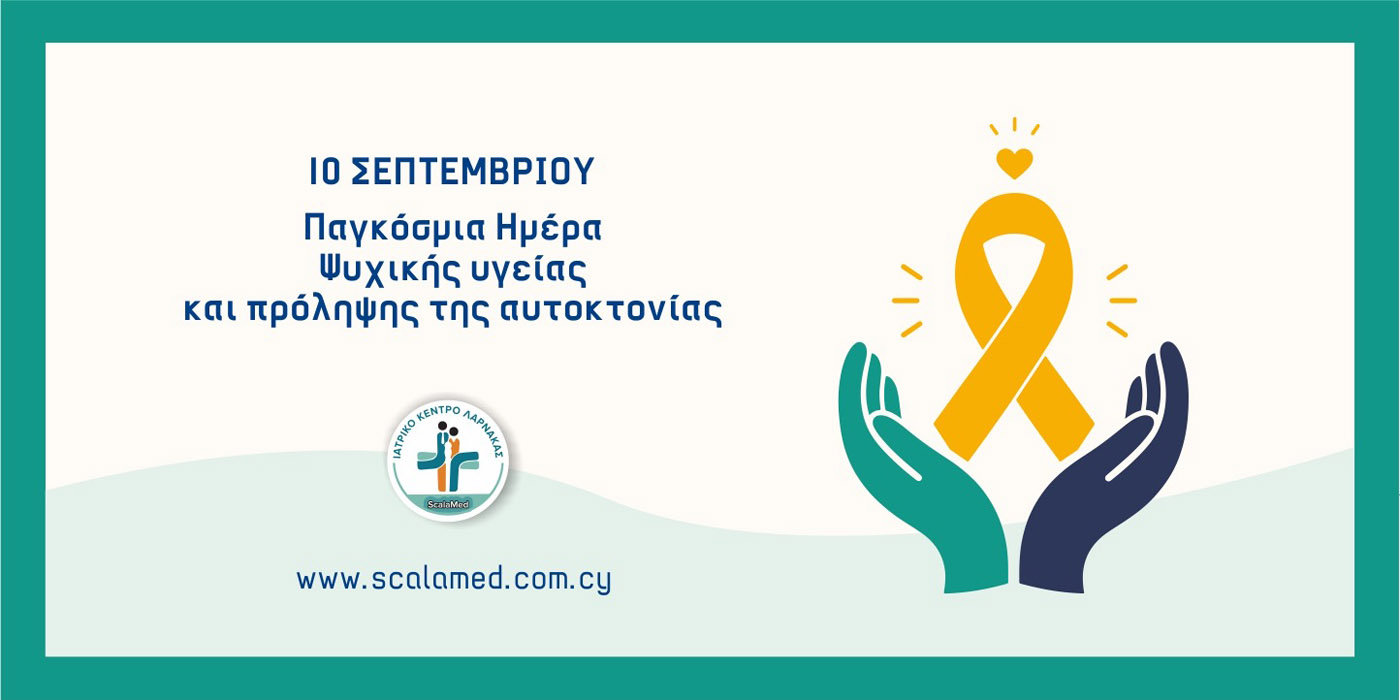
10 September has been established as World Suicide Prevention Day, aimed at informing, raising awareness, and strengthening prevention around a particularly serious public health issue.
This day serves as an important reminder that mental health is an integral part of our overall health. At the same time, it calls on us to speak openly about psychological distress, to remove the stigma, and to create an environment in which everyone feels they can ask for help without fear, shame, or judgment.
Silence is not a solution
People facing intense psychological strain, loss, loneliness, depression, anxiety, or other difficult situations may feel there is no way out. This does not mean the situation cannot change.
Recognizing difficulties early and having access to appropriate support can play a significant role in prevention. That is why it is important to create space for conversation and to encourage those around us to express what they are going through.
Sometimes, a simple question such as “How are you really?” can open the door to a meaningful conversation.
How we can help someone who is struggling
We do not need to be mental health specialists to show interest and support.
We can:
* Listen without judging. Give the person space to express their feelings.
* Take seriously what they tell us. Do not underestimate the difficulty they are experiencing.
* Ask with sincere interest. Open and calm communication can help.
* Encourage seeking professional help. A psychologist, psychiatrist, or other appropriate health professional can offer specialized support.
* Stay close. The sense of not being alone can be especially important during a difficult time.
The important thing is to avoid phrases that invalidate feelings, such as “think positive,” “it’s all in your head,” or “there are people who have it worse.” Psychological distress needs understanding, not comparison.
Prevention begins with communication
Suicide prevention is not solely a matter for health professionals. It concerns the family, friends, school, the workplace, society, and all of us.
Creating a supportive environment where people can talk about their mental state is an important step.
Raising awareness also helps reduce the stigma. The more we treat mental health like any other aspect of health, the easier it can become for a person to recognize that they need help and to seek it.
Professional support can make the difference
Psychological distress is not a sign of weakness. Seeking help is an act of self-care.
Mental health professionals can help a person understand what they are experiencing, manage difficult emotions, and develop ways of coping with difficulties.
It is important not to necessarily wait until someone reaches their limit before asking for help. Prevention also means timely intervention.
If we are worried about someone
When we are worried that a person may be in immediate danger, we should not leave them alone or try to manage the situation entirely on our own.
In case of immediate danger, seek professional or emergency help right away through the available emergency services or an appropriate mental health service in your area.
If someone talks to you about suicide or about the possibility of harming themselves, listen to them calmly, show that you take them seriously, and help them connect with a health professional or support service.
We do not have to face difficulties alone
10 September reminds us that prevention begins with something deeply human: to listen and to care.
A conversation. A phone call. A presence. An encouragement to seek help.
They may seem like small acts, but they can be a significant step for a person going through a difficult time.
Let us talk more about mental health.
Let us listen without judging.
Let us ask for help when we need it.
Let us not leave anyone feeling alone.