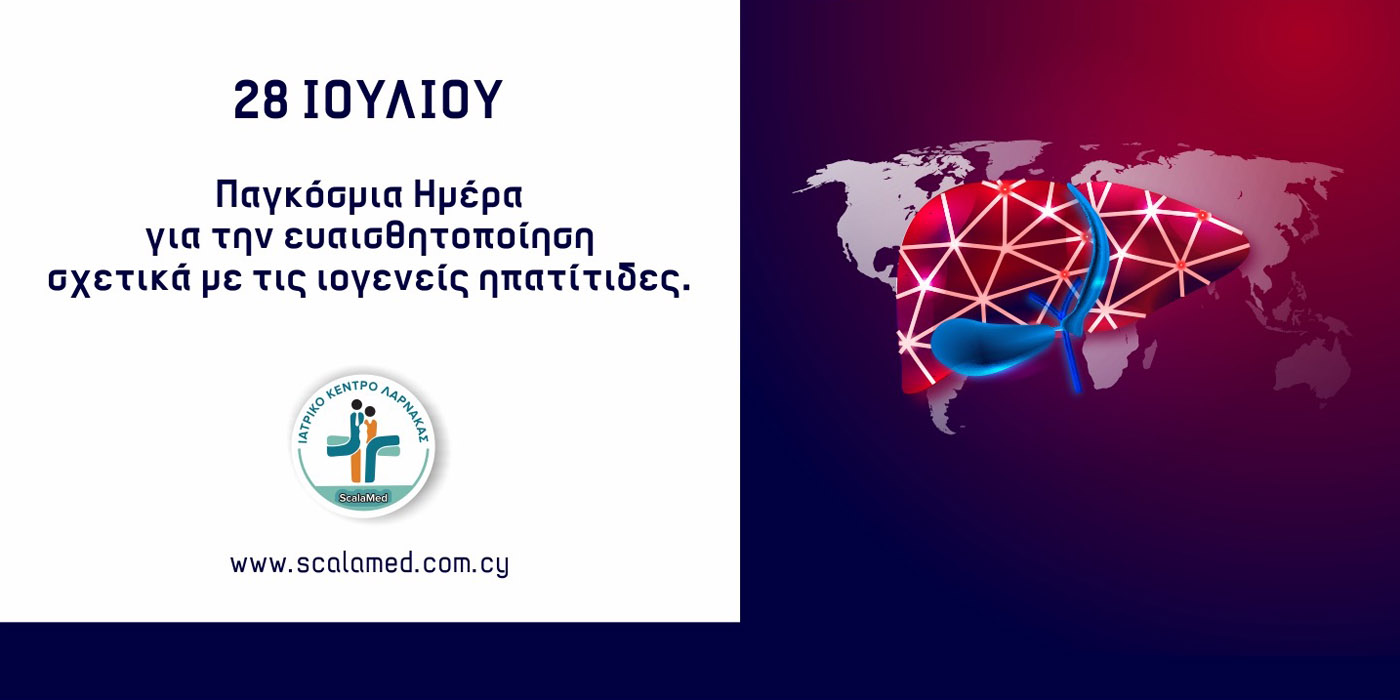
July 28 has been established by the World Health Organization (WHO) as World Hepatitis Day. The day is dedicated to informing and raising public awareness about viral hepatitis A, B, C, D and E, which cause inflammation of the liver and can lead to serious complications, such as cirrhosis and liver cancer.
The date was chosen in honor of Dr. Baruch Blumberg, Nobel laureate in Medicine, who discovered the hepatitis B virus and contributed decisively to the development of the first vaccine.
Why is this day important?
Despite the fact that viral hepatitis can be prevented, treated and – in the case of hepatitis C – even cured, millions of people around the world remain undiagnosed. Early diagnosis through simple blood tests and access to treatment save lives.
How can we protect ourselves?
* Vaccination against hepatitis A and B.
* Safe medical practices and use of sterilized equipment.
* Safe sexual contact.
* Avoiding sharing needles or sharp objects.
* Preventive screening, especially for people belonging to high-risk groups.
The message
Eliminating viral hepatitis as a threat to public health is achievable, provided that information, preventive screening, vaccination and access to effective treatments are strengthened. Knowledge is the first step towards prevention.
Sources:
* World Health Organization (WHO) – World Hepatitis Day
* World Hepatitis Alliance
* European Centre for Disease Prevention and Control (ECDC)