Early diagnosis and proper treatment can make a difference
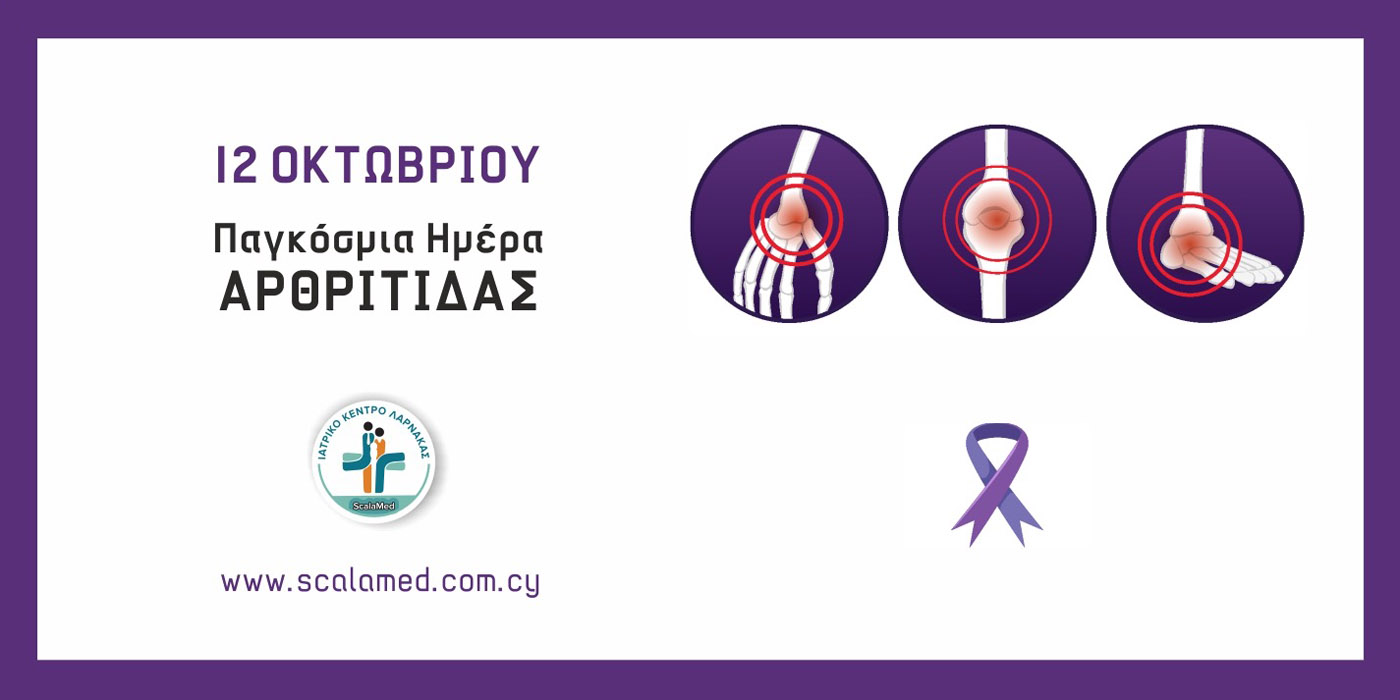
12 October has been established as World Arthritis Day, with the aim of informing and raising public awareness about rheumatic and musculoskeletal diseases, which affect the mobility, daily life and quality of life of millions of people around the world.
The message of this year’s campaign by the European Alliance of Associations for Rheumatology (EULAR) is “Achieve Your Dreams”. The campaign highlights the importance of early diagnosis, access to appropriate treatment and support for people living with rheumatic and musculoskeletal diseases, so that they can continue to achieve their personal and professional goals.
What is arthritis?
Arthritis is a general term covering various conditions that affect the joints and can cause pain, inflammation, swelling and stiffness.
The two most commonly referred-to forms are osteoarthritis and rheumatoid arthritis, which differ in their causes, the way they develop and how they are treated.
Osteoarthritis is associated with changes throughout the whole joint and often affects the knees, hips, spine and the joints of the hands. Age, previous injuries and increased body weight are factors that can increase the risk of developing it.
Rheumatoid arthritis is a chronic autoimmune disease that causes inflammation in the joints. Without appropriate treatment, it can lead to joint damage and may also affect other systems of the body.
There are also other forms of arthritis, such as psoriatic arthritis and gout, which require specialised assessment and appropriate management.
What are the most common symptoms?
The symptoms of arthritis vary depending on the type of condition, its severity and the joints affected.
The most common include:
- Pain in one or more joints.
- Stiffness, especially in the morning or after prolonged inactivity.
- Swelling and tenderness in the joints.
- Reduced mobility and difficulty performing everyday activities.
- A feeling of warmth in the area of the affected joint.
- Fatigue, which can be particularly intense in some inflammatory rheumatic diseases.
Persistent morning stiffness, joint swelling and recurring pain should not be ignored. Early medical assessment can help identify the cause and start the appropriate treatment.
Why is early diagnosis important?
Early diagnosis is particularly important, as some forms of arthritis can cause progressive joint damage if not treated in time.
Assessment by the appropriate healthcare professional includes taking a medical history and a clinical examination. Depending on the symptoms, blood tests or imaging, such as an X-ray or ultrasound, may be needed.
Where there are signs of inflammatory arthritis, referral to a rheumatologist is important to confirm the diagnosis and plan the appropriate treatment approach.
Recognising symptoms at an early stage can help with better disease management, preserving joint function and improving quality of life.
How is arthritis treated?
Treatment depends on the type of arthritis, the severity of the symptoms and the needs of each patient.
Available treatment options may include:
- Medication
Depending on the diagnosis, medication may be given to relieve pain and reduce inflammation. In rheumatoid arthritis and other inflammatory conditions, specific treatments that limit disease activity may be required. - Physical activity and physiotherapy
Appropriately tailored exercise helps maintain mobility, strengthen the muscles and improve function. The programme should be adapted to the abilities and needs of each patient. - Maintaining a healthy body weight
Managing body weight can reduce the load on the joints, especially the knees and hips. - Healthy lifestyle
A balanced diet, regular movement, adequate sleep and avoiding smoking can support overall health and the management of the condition. - Specialised medical follow-up
Regular follow-up allows the response to treatment to be assessed and the treatment to be adjusted when necessary.
There is no single treatment suitable for all types of arthritis. For this reason, an individualised medical approach is crucial.
When should you see a doctor?
If joint pain persists, swelling keeps coming back or stiffness limits your daily activities, it is important to seek medical advice.
A joint that suddenly becomes very painful, swollen and warm, especially when accompanied by fever or a general feeling of being unwell, requires immediate medical assessment, as it may indicate a serious condition such as a joint infection.
Do not ignore symptoms, and do not start or stop medication without the advice of your treating doctor.
World Arthritis Day 2026: Life should not be limited by pain
Arthritis is not just about the joints. It can affect a person’s work, social life, mental well-being and independence.
Awareness, early diagnosis, access to appropriate treatment and support from healthcare professionals are key steps towards a better daily life.
On the occasion of World Arthritis Day, we remind everyone that persistent pain should not be considered an inevitable part of ageing, nor should it go uninvestigated.
Caring for joint health starts with awareness and continues with seeking medical help early.
Early diagnosis and proper treatment can contribute to a more active life, with fewer limitations and more possibilities.
Sources and further information
- European Alliance of Associations for Rheumatology (EULAR) – World Arthritis Day 2026: World Arthritis Day 2026 – Achieve Your Dreams
- World Health Organization (WHO) – Osteoarthritis
- World Health Organization (WHO) – Rheumatoid arthritis
- UK National Health Service (NHS) – Arthritis
This article is for informational purposes only and does not replace medical examination, diagnosis or individual guidance from a healthcare professional.