Movement is health
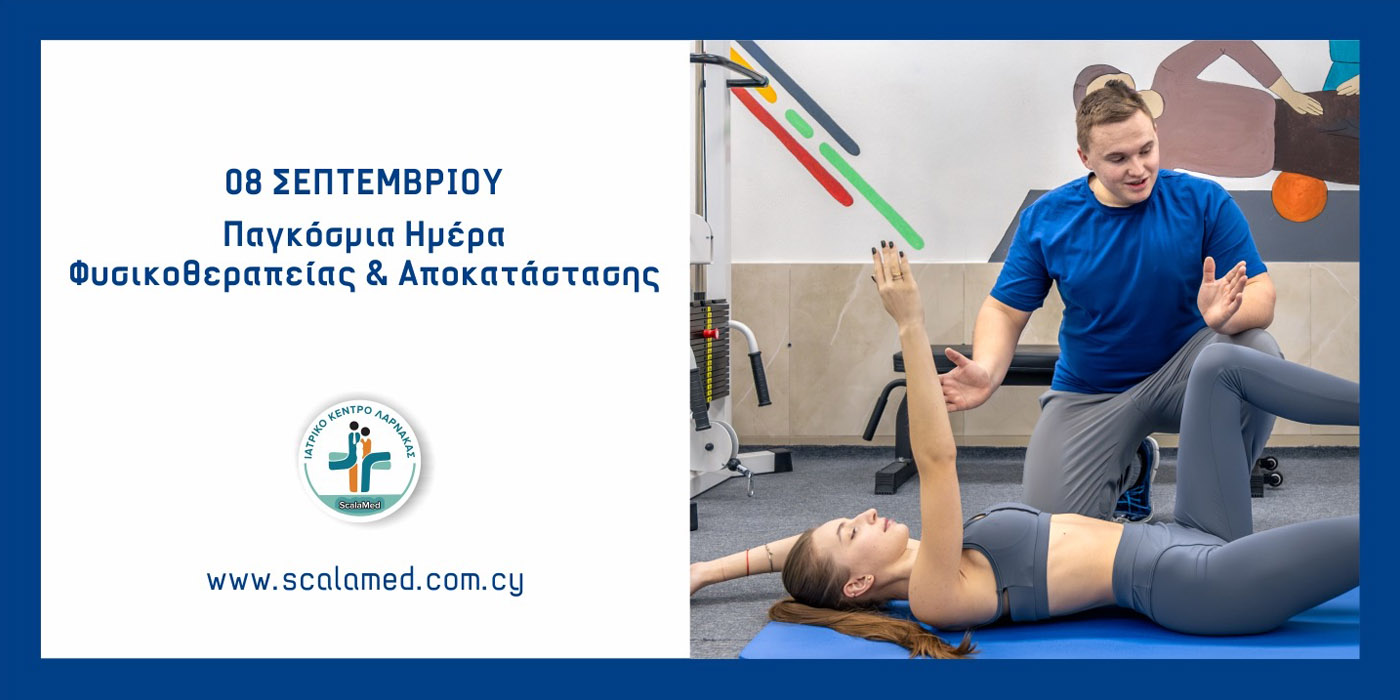
Every year on 8 September, World Physiotherapy Day is celebrated — a day dedicated to the important role of physiotherapy in prevention, rehabilitation, and the maintenance of good health.
Physiotherapy is not only about treating an injury. It is a comprehensive approach that can help improve mobility, muscle strength, functionality, and quality of life, at every age.
What is physiotherapy?
Physiotherapy is a field of health science that focuses on assessing and improving physical function and movement.
Through individualized treatment programs, the physiotherapist assesses each person’s needs and designs the appropriate therapeutic approach. Depending on the case, this may include therapeutic exercise, mobilization techniques, strengthening exercises, training in correct movement, and other specialized methods.
The goal is not only to address pain, but to improve functionality and ensure a safe return to daily activities.
When might physiotherapy be needed?
Physiotherapy can be particularly useful in many different situations. Among others, it can help with rehabilitation after:
* muscle and sports injuries,
* sprains and strains,
* orthopedic surgery,
* lower back and neck problems,
* musculoskeletal pain,
* joint problems,
* reduced mobility,
* muscle weakness and stiffness.
At the same time, physiotherapy can play an important role in prevention. Proper assessment of movement and learning appropriate exercises can help a person move more correctly and with greater safety.
The importance of individualized rehabilitation
Every person is different. Age, physical condition, lifestyle, the type of problem, and daily needs all influence how a physiotherapy program should be designed.
For this reason, an individualized approach is an important element of effective rehabilitation. The goal is for the program to meet each person’s real needs and to adapt gradually over the course of rehabilitation.
Consistency and proper guidance can help restore movement safely and support a gradual return to everyday activities.
Physiotherapy and prevention
Prevention is an equally important part of physiotherapy. We do not always need to wait for an injury or intense pain to appear before paying attention to our physical function.
Strengthening the muscles, improving flexibility, maintaining correct posture, and learning safe ways of moving can contribute to maintaining good physical condition.
Especially for people who work long hours sitting, follow a demanding lifestyle, or engage systematically in sports activities, prevention can be an important part of health care.
Physiotherapy in everyday life
Rehabilitation does not necessarily stop at the clinic. Properly applying the instructions and exercises in daily life can be an important part of the overall effort.
Simple changes in the way we sit, walk, lift weights, or perform repetitive movements can help reduce strain on the body.
Physiotherapy, therefore, does not aim only to improve a specific physical function. It also provides knowledge and guidance, so that a person can better understand their body and actively participate in the rehabilitation process.
Why is movement important for health?
Movement is a fundamental element of daily life. It allows us to work, walk, exercise, take care of ourselves, and take part in the activities we enjoy.
When pain, an injury, or a limitation in mobility affects these activities, overall quality of life can be affected.
Restoring movement can help a person regain confidence in their daily activities and gradually return to a more active lifestyle.